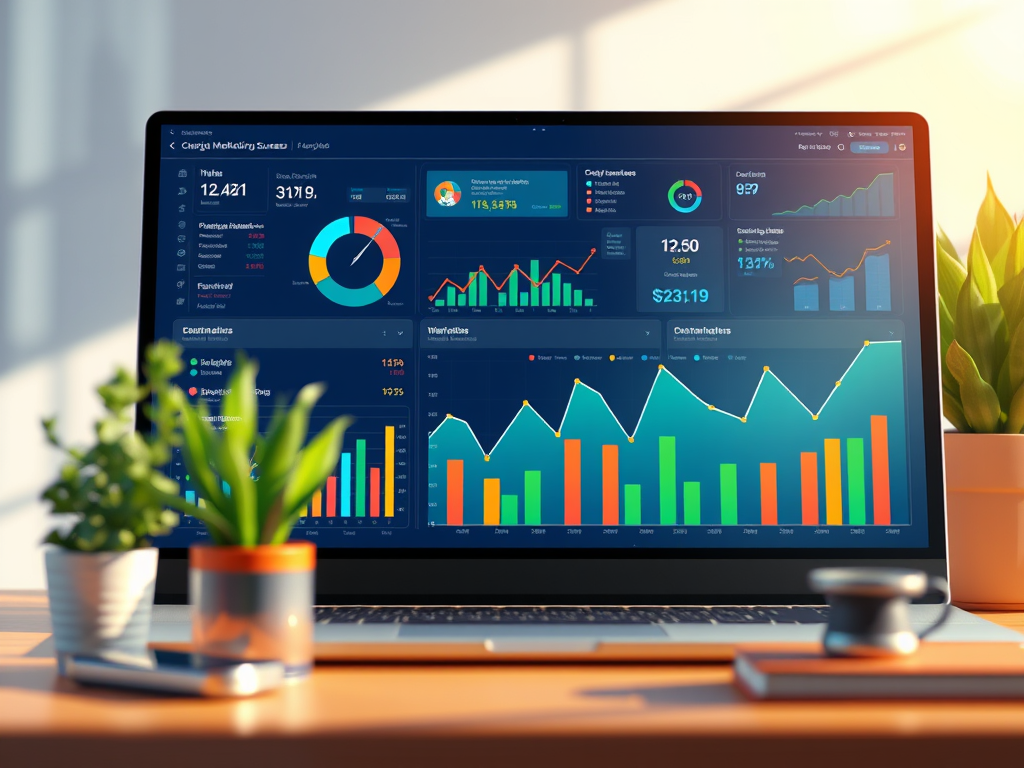
In today’s fast-paced digital world, understanding whether your marketing efforts are paying off is more important than ever. Tracking marketing success isn’t just about knowing if you’re getting clicks, likes, or shares—it’s about measuring the real impact of your strategies and how they drive business growth. In this guide, we’ll walk you through the best practices and tools to track your marketing success and ensure that your efforts align with your business goals.
Why Tracking Marketing Success is Crucial
Before we dive into the how, let’s explore the why. Tracking your marketing success helps you:
- Optimize Campaigns: By monitoring performance, you can adjust strategies and make informed decisions.
- Maximize ROI: You’ll know where to allocate resources for the best return on investment.
- Measure Impact: Understand how marketing efforts directly influence revenue, engagement, and brand awareness.
- Demonstrate Value: Proving the value of marketing initiatives to stakeholders is crucial for gaining continued support and investment.
Key Metrics to Track Marketing Success
To accurately track marketing success, you need to focus on a few key metrics that align with your business objectives. Here’s what to look for:
1. Traffic and Website Visits
Website traffic is one of the most basic indicators of success. More traffic means your content is being discovered. Analyze metrics like:
- Total visits: How many people are visiting your site?
- Traffic sources: Are people coming from search engines, social media, direct links, or referrals?
- Bounce rate: Are visitors staying or quickly leaving your site?
2. Conversion Rate
A conversion is when a visitor completes a desired action, like signing up for a newsletter or making a purchase. This metric tells you how well your website or landing pages are converting visitors into leads or customers.
3. Customer Acquisition Cost (CAC)
How much does it cost you to acquire a new customer? By dividing your total marketing spend by the number of new customers acquired, you can measure the efficiency of your marketing campaigns.
4. Lead Generation
For businesses that rely on inbound marketing, tracking lead generation is critical. Tools like CRM systems help track how many leads you generate from marketing efforts and how those leads convert into paying customers.
5. Social Media Engagement
Social media is a vital part of any marketing strategy. Metrics like likes, shares, comments, and mentions give insight into how your content resonates with your audience. Engaged followers can become your brand advocates.
6. Email Campaign Metrics
Email marketing continues to be a high-performing channel. You should track:
- Open rate: How many people opened your email?
- Click-through rate (CTR): How many clicked the links inside the email?
- Unsubscribes: Are people opting out of your emails?
7. Return on Investment (ROI)
Ultimately, you want to know if your marketing dollars are well spent. ROI is calculated by comparing the revenue generated against the cost of your marketing campaigns. It’s an essential metric to determine the financial effectiveness of your efforts.
Tools to Track Your Marketing Success
To track all these metrics, there are several tools available:
- Google Analytics: A must-have tool to monitor website traffic, user behavior, and conversion metrics.
- Social Media Insights: Platforms like Facebook, Instagram, and Twitter provide built-in analytics to track engagement and audience growth.
- HubSpot: This CRM and marketing platform helps you track lead generation, email performance, and customer acquisition.
- Mailchimp: A great tool for tracking email campaign performance, including open rates and CTR.
- SEMrush: For tracking SEO performance, keyword rankings, and competitive analysis.
Tips for Better Tracking
- Set clear goals: Define what success looks like before launching campaigns, so you have benchmarks to measure.
- Use UTM parameters: Add UTM codes to your URLs to track traffic sources more accurately.
- Track over time: Marketing success doesn’t happen overnight. Track your metrics consistently over time to see trends and improvements.
- Look beyond the numbers: While numbers are crucial, understanding the story behind them helps you make better decisions.
Tracking marketing success isn’t just a matter of numbers—it’s about understanding the story they tell. With the right tools and key metrics, you can optimize your campaigns, demonstrate value, and make smarter decisions for your business’s growth. So, start tracking today and turn your marketing efforts into measurable success.
 Market Hive
Leave a comment