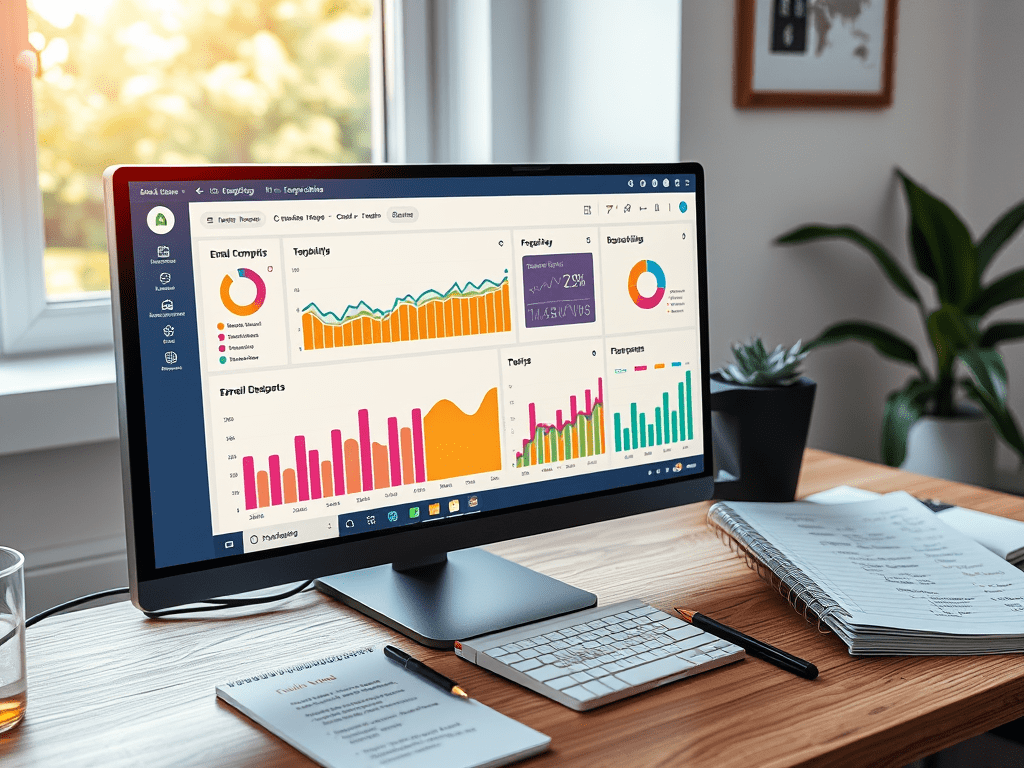
Email marketing remains one of the most powerful tools in the digital marketing landscape. With an impressive return on investment (ROI) and direct access to potential customers, mastering the art of email campaigns can elevate your brand and drive significant engagement. But creating an effective email campaign requires more than just sending messages—it’s about strategy, creativity, and understanding your audience.
In this guide, we’ll break down the essential elements of a successful email campaign, provide actionable tips, and help you refine your email marketing game.
1. Understanding the Purpose of Your Email Campaign
Before you start drafting emails, define your goal. Is your campaign meant to:
- Generate leads?
- Nurture relationships with existing customers?
- Promote a new product or service?
- Drive traffic to your website?
- Boost sales and conversions?
Clearly identifying the objective will help you craft compelling content and measure your campaign’s success effectively.
2. Crafting an Attention-Grabbing Subject Line
Your subject line is the first impression of your email. If it doesn’t capture attention, your email may never be opened. Here are some tips for writing an engaging subject line:
- Keep it short and impactful (50 characters or less).
- Personalize when possible (e.g., “John, Exclusive Offer Just for You!”).
- Create urgency (e.g., “Last Chance to Save 30%!”).
- Use curiosity to entice readers (e.g., “You Won’t Believe This Trick to Save Money!”).
- A/B test different subject lines to see what resonates best with your audience.
3. Writing Compelling Email Copy
Once your email is opened, the content should keep the reader engaged. Here’s how:
- Use a conversational and friendly tone.
- Address the reader’s pain points and offer a solution.
- Keep sentences and paragraphs short for easy readability.
- Include a clear and persuasive call-to-action (CTA).
- Avoid jargon and overly promotional language.
Remember, people receive numerous emails daily, so make yours valuable and to the point.
4. Personalization and Segmentation
A one-size-fits-all email campaign rarely succeeds. Instead, personalize your emails based on:
- Customer behavior (e.g., abandoned cart emails, post-purchase follow-ups).
- Demographics (e.g., location, age, industry).
- Interests and preferences.
- Engagement level (e.g., new subscribers vs. loyal customers).
Segmentation allows you to send highly relevant emails that resonate with specific audience groups, increasing open rates and conversions.
5. Designing Visually Appealing Emails
Great content needs an appealing design. Follow these email design best practices:
- Keep the layout clean and visually appealing.
- Use a mobile-responsive template.
- Include high-quality images that support your message.
- Ensure CTA buttons stand out and are easy to click.
- Maintain brand consistency with fonts, colors, and logos.
6. Timing and Frequency Matter
Sending too many emails can annoy your subscribers, while too few can make them forget about you. The best approach is to:
- Test different sending times to determine when your audience is most active.
- Maintain a consistent schedule without overwhelming recipients.
- Adjust frequency based on engagement metrics.
7. A/B Testing for Optimization
A/B testing (or split testing) helps refine your email campaigns. Test different elements such as:
- Subject lines
- CTA wording and placement
- Email layout and design
- Personalization techniques
- Sending time and frequency
Analyzing the results will help you improve future campaigns for better performance.
8. Analyzing Performance Metrics
Track key email marketing metrics to measure success:
- Open rate – How many people opened your email?
- Click-through rate (CTR) – How many clicked on links inside your email?
- Conversion rate – How many completed the desired action?
- Bounce rate – How many emails failed to reach the inbox?
- Unsubscribe rate – How many people opted out after receiving your email?
Use these insights to tweak your strategies and enhance engagement.
9. Ensuring Compliance and Avoiding Spam Filters
To avoid having your emails marked as spam:
- Get permission before sending emails (opt-in subscribers only).
- Use a recognizable sender name and email address.
- Avoid excessive use of caps, exclamation marks, and spammy words like “FREE” or “BUY NOW.”
- Include an easy-to-find unsubscribe link.
Staying compliant with regulations like GDPR and CAN-SPAM ensures trust and credibility with your audience.
Mastering the art of email campaigns takes practice, strategy, and continuous improvement. By focusing on engaging subject lines, compelling content, smart segmentation, and performance tracking, you can create high-converting email campaigns that foster strong customer relationships and drive business growth.
Start refining your email marketing strategy today and watch your conversions soar!
 Market Hive
Leave a comment